A violin bow plays a crucial role in shaping a player's sound.
From the selection of wood to the weight of the bow and the quality of the bow hair, every detail significantly affects tone production and playing control.
Here is an introduction to the craftsmanship and design philosophy behind Franz Sander violin bows from Germany.
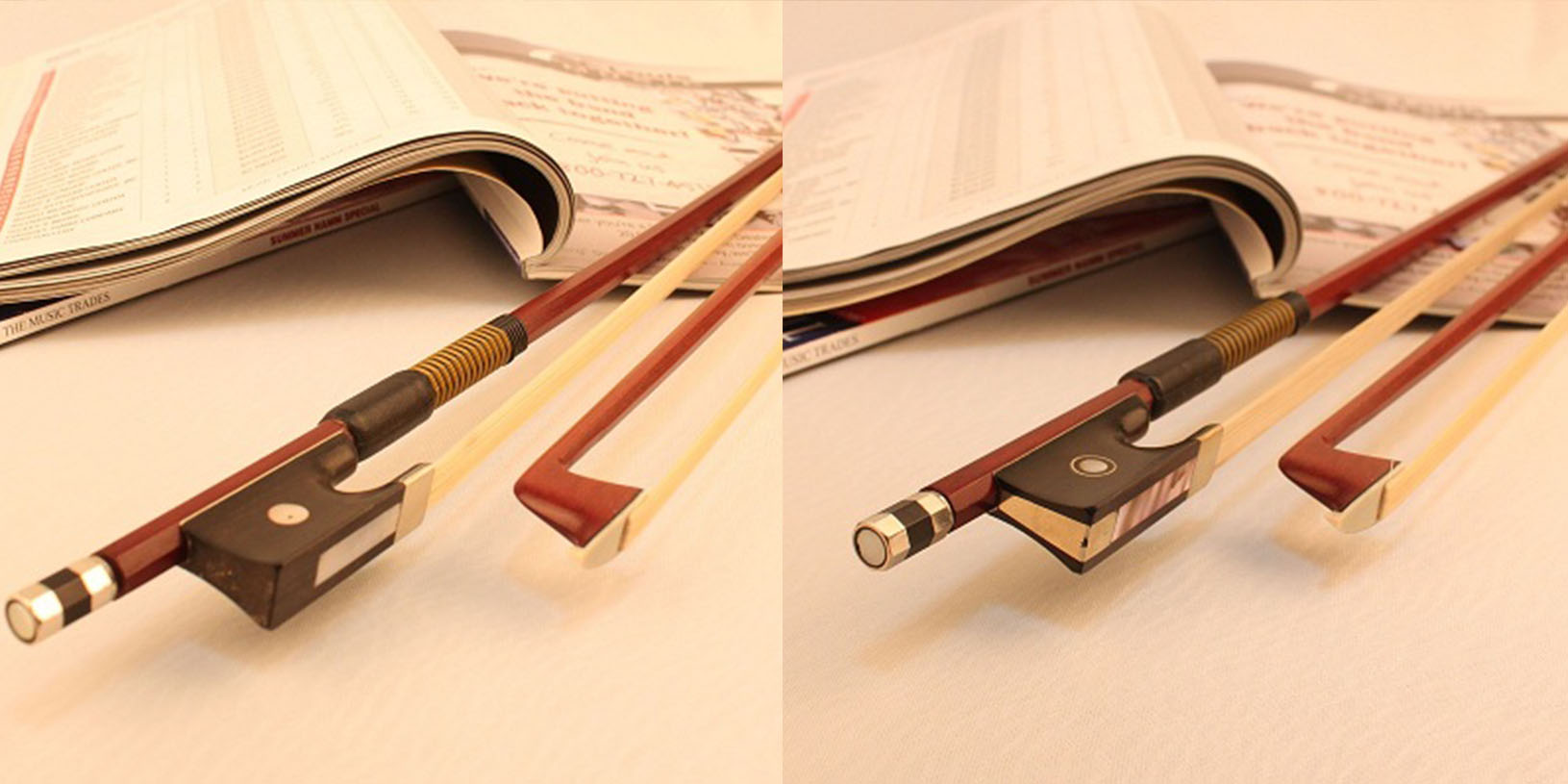
Sander violin bow
Common Woods Used in Violin Bows
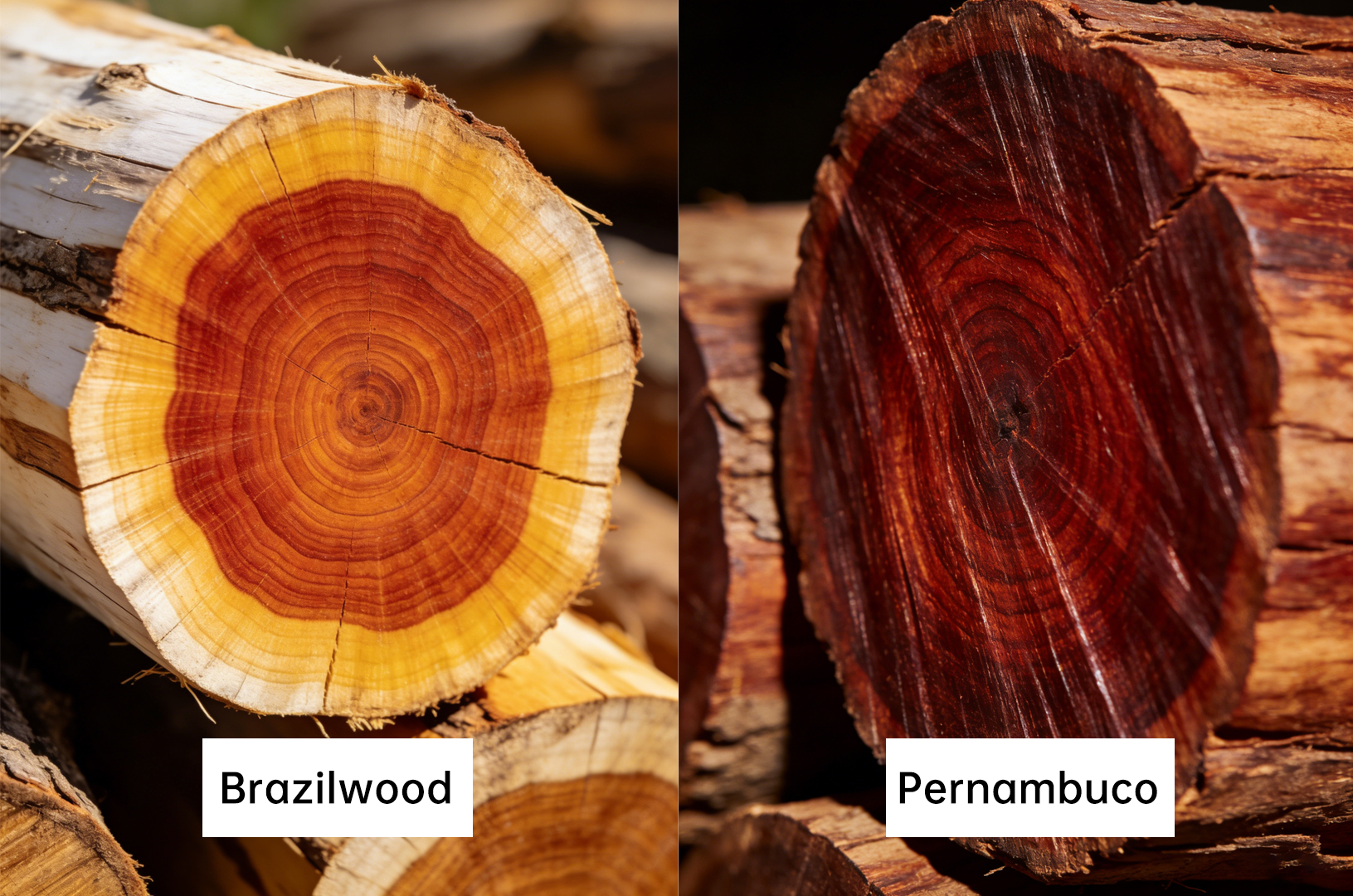
Brazilwood
Brazilwood is commonly used in beginner to intermediate violin bows.
Its stable structure and durability provide a clear and direct tonal response, making it a reliable choice for students developing basic bowing techniques and intonation control.
Pernambuco
Pernambuco is a rare and highly valued wood, primarily found in Brazil.
It is widely recognized as the classic material for advanced and professional violin bows.
With exceptional elasticity, quick rebound, and excellent sound transmission, Pernambuco allows players to express subtle variations in bow speed, pressure, and contact point, resulting in richer tonal colors and greater musical nuance.
Bow Hair (Horsehair)
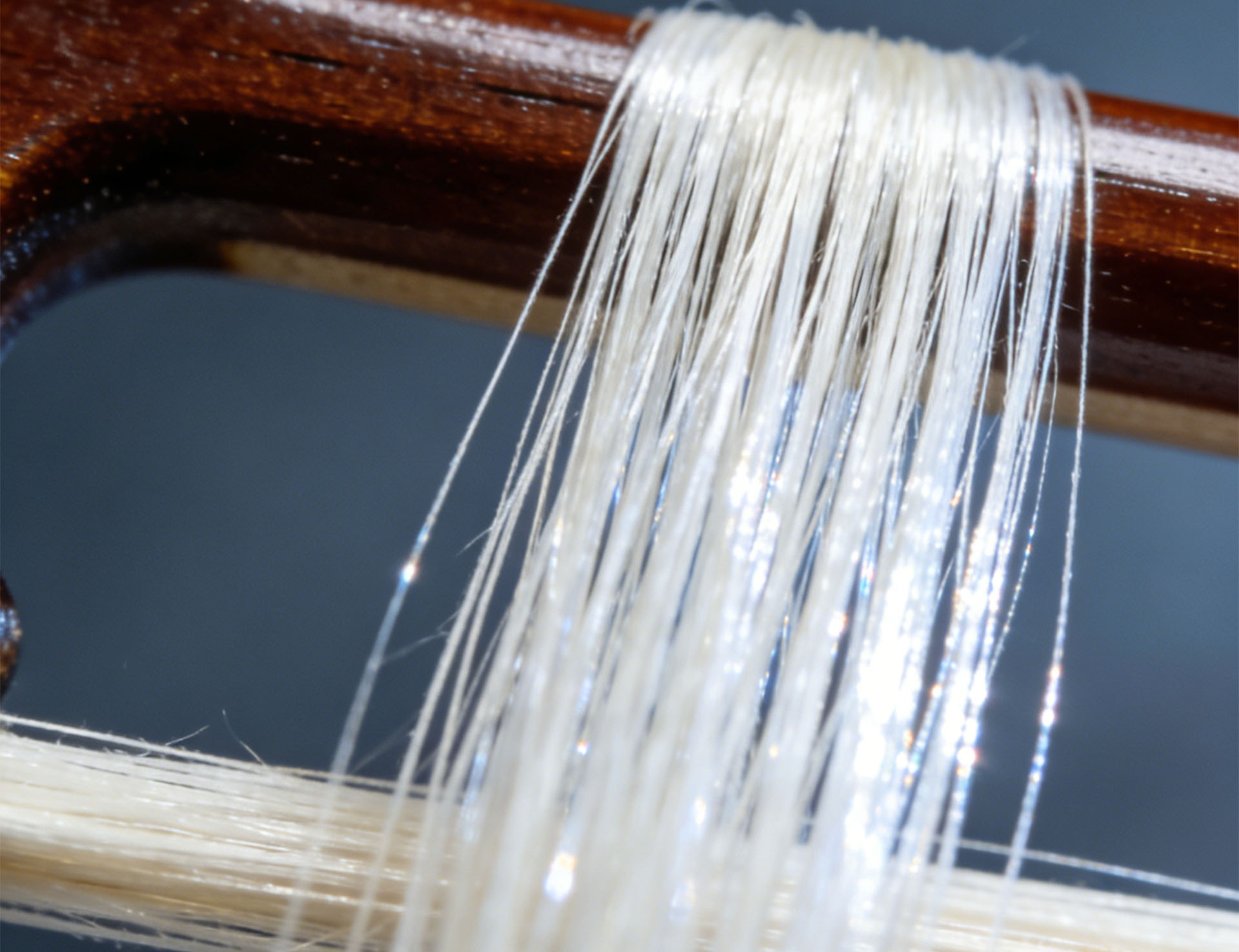
Violin bow hair is traditionally made from natural horsehair.
High-quality horsehair produces a cleaner sound and a more focused tone.
Whether for daily practice or stage performance, quality bow hair provides consistent and reliable feedback, allowing the player to control bowing techniques with greater precision.
Bow Weight
For a full-size (4/4) violin bow, the standard weight typically ranges between 61–65 grams.
This weight range provides an ideal balance between control and flexibility.
· A bow that is too heavy may reduce agility during performance.
· A bow that is too light may struggle to withstand the tension of the bow hair and could lead to deformation of the bow stick over time.
Proper weight balance is therefore a critical aspect of bow making.
The Franz Sander Bow Philosophy
At Franz Sander, we believe that a great violin bow should achieve a precise balance between structure, material, and tonal response.
Through clear product grading and European craftsmanship standards, Franz Sander bows allow students, performers, and educational institutions to select the bow that best matches their stage of musical development.
A well-crafted bow is not just a tool—it is an essential partner in a musician’s growth.